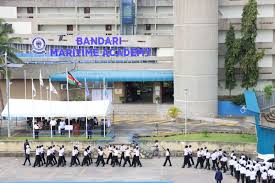
India–Kenya Maritime Cooperation: An Opportunity Anchored in Mombasa
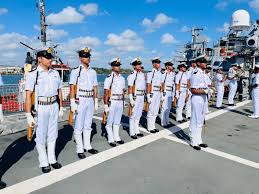
Kenya Navy and Indian Squadron. (Photo/ Courtesy)
By Andrew Mwangura
Email, thecoastnewspaper@gmail.com
India’s renewed interest in investing in Kenya’s shipping and maritime sector represents a timely and strategically significant development that warrants careful attention and deliberate action.
When India’s High Commissioner to Kenya Adarsh Swaika visited the Port of Mombasa and highlighted opportunities emerging from the Kenya Ports Authority’s modernization and expansion programme, he spoke to more than infrastructure projects, he spoke of a broader vision of partnership between two Indian Ocean nations whose economic futures are deeply tied to maritime trade, logistics, and industrial growth.
Kenya’s ports, particularly Mombasa, sit at the heart of regional commerce, serving not only the Kenyan economy but also landlocked neighbors across East and Central Africa.
As global shipping routes adjust and competition among ports intensifies, sustained investment in capacity, efficiency, and technology has become essential. It is in this context that India’s interest carries particular weight.
As a major maritime nation with extensive experience in port development, shipbuilding, logistics services, and special economic zones, India’s capital and expertise could accelerate Kenya’s maritime transformation while deepening economic ties between the two countries.
The High Commissioner’s specific reference to the Dongo Kundu Special Economic Zone is particularly noteworthy.
This project represents more than a geographical expansion of Mombasa’s port ecosystem—it is designed as an integrated industrial and logistics hub, linking port operations with manufacturing, value addition, and export-oriented industries.
For Indian investors, many already active in manufacturing, pharmaceuticals, automotive components, and information technology, Dongo Kundu offers a platform to establish regional bases serving the wider African market. For Kenya, attracting such investment could translate into jobs, skills transfer, and increased export competitiveness.
The KPA’s response to these overtures has been appropriately pragmatic. By emphasizing openness to Public-Private Partnerships (PPP), KPA acknowledges fiscal realities while signaling serious commitment to collaboration.
Large-scale port infrastructure projects are capital-intensive and technically complex. Partnerships with credible international players can help spread risk, introduce global best practices, and ensure timely delivery.
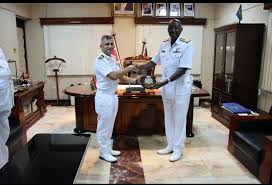
The fact that this position was articulated by Mohamed Golicha on behalf of managing director Captain William Ruto reinforces institutional commitment to partnership-driven growth.
The ongoing expansion of the Port of Mombasa provides a clear illustration of where such cooperation could bear fruit. Rehabilitation of existing berths and construction of new ones—including Berths 19B, 23, and 24—are critical to accommodating larger vessels and growing cargo volumes.
Equipment modernization and upgrades to the terminal operating system are equally important, as efficiency today is measured not just in physical capacity but in speed, reliability, and digital integration.
Indian firms with experience in port equipment supply, automation, and management systems could play a meaningful role in these efforts, complementing Kenya’s strategic objectives.
Beyond infrastructure, there is deeper strategic logic to enhanced India–Kenya maritime cooperation. Both countries share an interest in secure and efficient Indian Ocean trade routes.
Strong ports underpin national security, food security, and energy supply chains. Investment partnerships that strengthen Mombasa also contribute to regional stability and resilience.
From this perspective, maritime cooperation becomes part of wider diplomatic and economic alignment rather than a narrow commercial transaction.
However, enthusiasm must be matched with careful governance. PPPs require transparency, clear risk-sharing arrangements, and strong regulatory oversight to ensure public interests are protected.
Kenya’s experience with infrastructure development over the past decade offers valuable lessons about the importance of due diligence and long-term planning.
Indian investors, for their part, will seek predictable policies, efficient approvals, and a stable operating environment. Mutual trust will be built not through announcements alone, but through consistent follow-through.
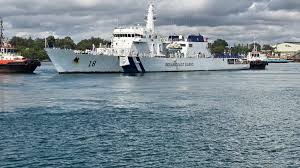
Commissioner Swaika’s visit and his positive assessment of KPA’s programmes should be seen as an opening rather than a conclusion. It is an opportunity for Kenya to position its maritime sector as a gateway for Indian investment into Africa, and for India to strengthen its economic footprint in a region of growing global relevance.
If managed wisely, collaboration around the Port of Mombasa and the Dongo Kundu Special Economic Zone can become a model of South–South partnership rooted in shared maritime heritage and forward-looking economic ambition.
Mwangura, an independent maritime consultant, is former SUK Secretary General
About The Author