Wundanyi MP Faults CRA Over Marginalised Counties
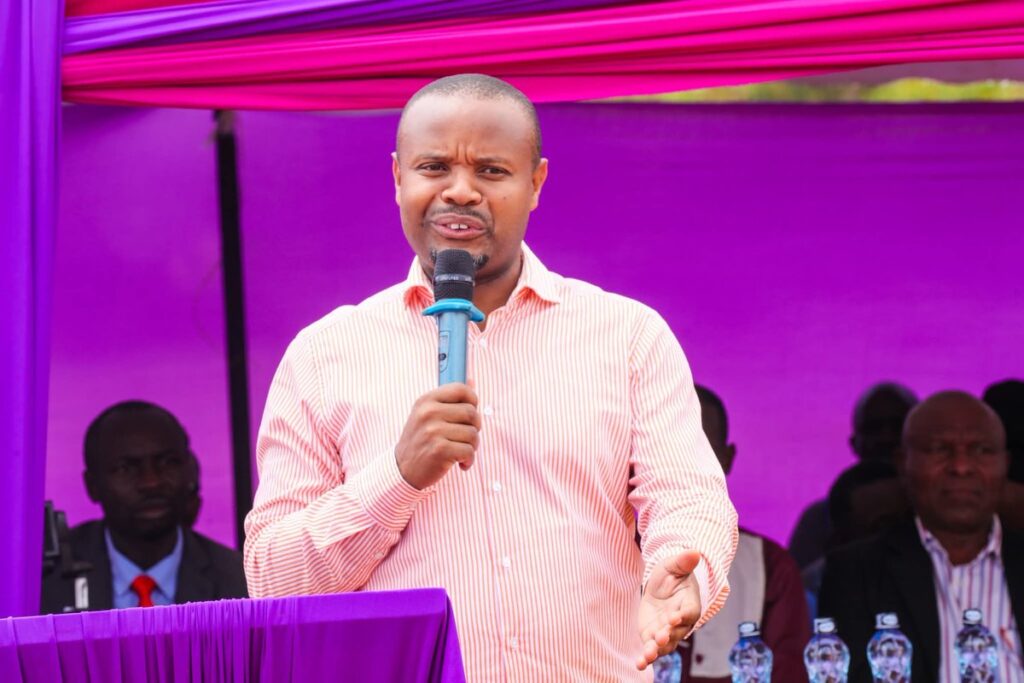
Wundanyi Legislator Danson Mwashako. (Photo/ Courtesy)
By George Otieno
Email, thecoastnewspaper@gmail.com
Wundanyi MP Danson Mwashako has criticised the Commission on Revenue Allocation (CRA) for expanding the list of counties eligible for the Equalisation Fund from 14 to 34.
Speaking on the sidelines of the National Assembly’s Budget and Appropriations Committee sittings in Mombasa on September 3, 2025, the legislator argued that the move has diluted resources meant for the original 14 marginalised counties, thus undermining efforts to alleviate poverty in those devolved units.
“Every Kenyan knows which areas are truly marginalised. There was no need to reclassify others as marginalised. This decision by the commission has only created confusion,” he claimed.
The MP questioned the rationale behind the expansion pointing out that the fund was designed to bring historically disadvantaged counties to the same level of development ones.
“The intention was to uplift those counties. How then do we justify adding others based on claims of ‘pockets of marginalisation’?” he posed.
The legislator backed Eldas MP Adan Keynan’s call for Controller of Budget Margaret Nyakang’o to withhold the release of the Equalisation Fund until the matter was reviewed.
According to him the fund, in its current form, has failed to meet its intended goals.
“We need a fresh look at the Equalisation Fund. As it stands, the situation is chaotic. I demand a return to the original model that prioritised the 14 most marginalised counties,” he said.
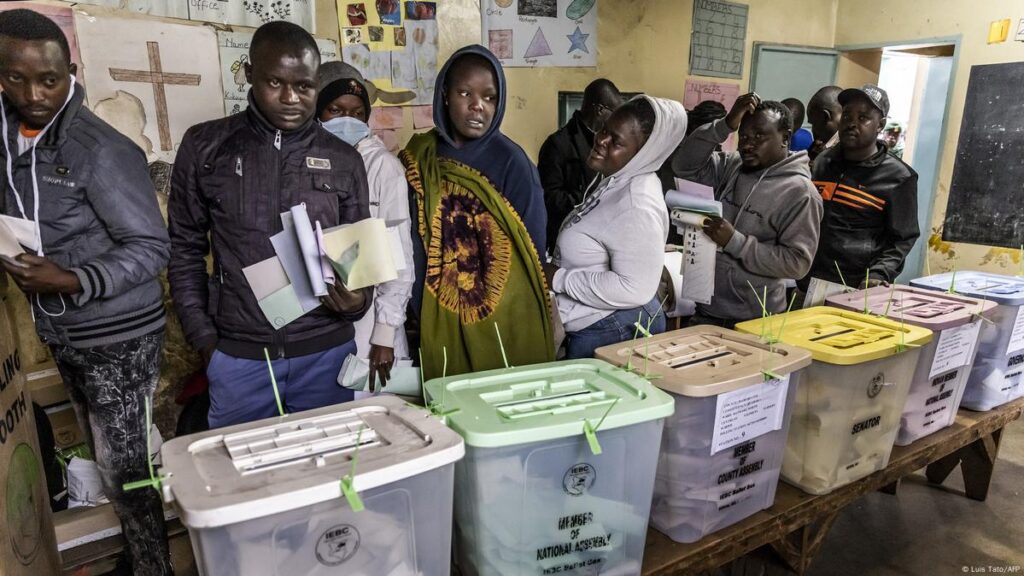
The MP took swipe at the newly appointed Independent Electoral and Boundaries Commission (IEBC) commissioners cautioning them against repeating past mistakes that he claims eroded public trust and credibility in electoral processes.
“Some previous commissioners didn’t have a good ending after leaving office. Let that be a lesson. The new team must act with integrity and avoid serving the interests of a few.”
He called on the commission chairperson Edung Ethekon to prioritise cleaning the voters’ register by removing names of deceased voters.
“Apart from registering new voters, the IEBC must clean the register. We want to trust them, but that trust has to be earned.”
The legislator urged the government to extend the transition period for implementing the electronic government procurement system.
He criticised what he termed as a rushed rollout that could disadvantage millions of Kenyans.
He proposed the transition deadline be extended to January 1, 2026, to allow citizens more time to understand and adapt to the new system.
“Let’s follow the Constitution and give citizens at least three more months. Only then can we fully transition.”
Nonetheless, he welcomed the digitisation of procurement services, noting it could help curb theft and corruption that plagued previous systems.
“Digitisation is a good step in fighting corruption, but if rushed, it will hurt more than help. We must strike a balance.”
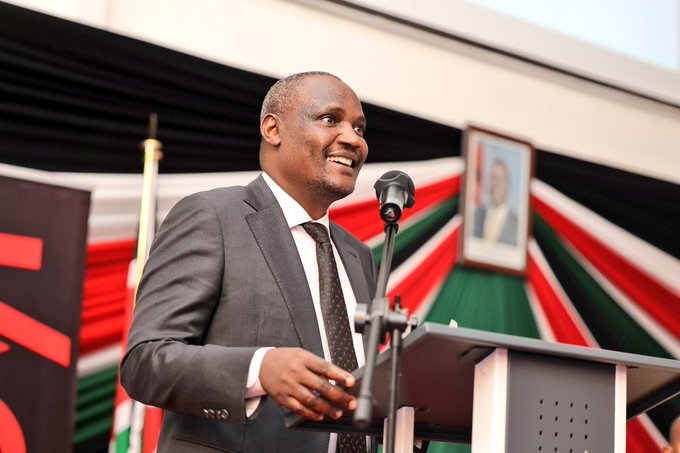
His remarks come as national treasury cabinet secretary John Mbadi reaffirmed the government’s commitment to rolling out the new e-procurement system, even as the Council of Governors threatens legal action unless the Treasury reverts its decision and returns to the old system.
About The Author