Growing Gap Between Sustainability Ambition and Delivery, Research
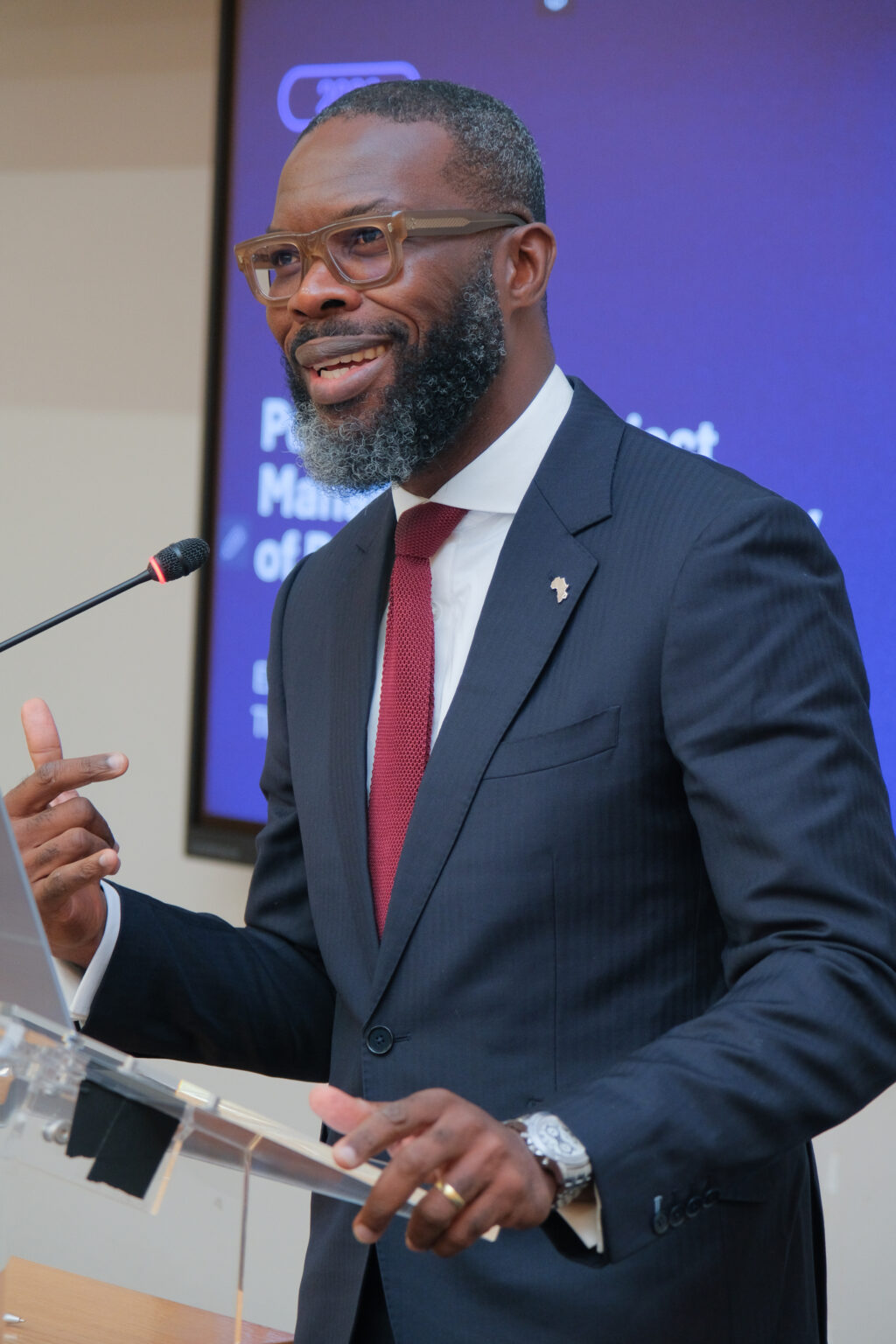
George Asamani, managing director of PMI Sub-Saharan Africa. (Photo/ Courtesy)
By Mbungu Harrison
Email, thecoastnewspaper@gmail.com
Organisations in Africa and the world are struggling to turn sustainability commitments into measurable results, a new research indicates.
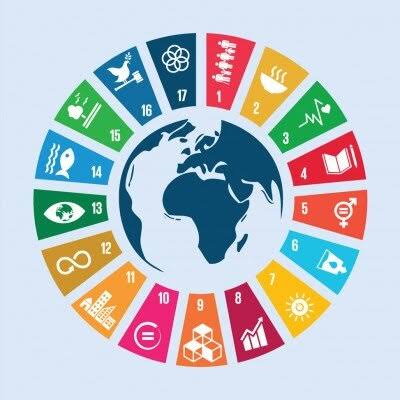
The findings come as the world races to meet the sustainable development goals with the United Nations warning that progress was lagging.
According to the UN sustainable development goals (SDGs) Report 2025, only 35% of the targets are on track or making moderate progress while nearly half are advancing too slowly, and 18% have regressed.
“When ambition meets reality” was conducted by the Management Institute and Green Project Management that surveyed nearly 1,600 professionals across 35 countries for the study.
The institute found a major disconnect between leadership confidence and delivery readiness.
While 85% of sustainability executives believe their organisations will achieve sustainability goals, only 43% of project management office leaders share that confidence.
Among project professionals responsible for implementation just 20% are extremely confident in their organisation’s ability to deliver.
The study also found that although 79% of respondents believe sustainability is important to long-term success only 41% say it is fully integrated into projects and daily operations.
For Africa, where projects underpin infrastructure, energy, healthcare, mining, agriculture and digital transformation, the gap poses major risks.
George Asamani, managing director of PMI Sub-Saharan Africa, said delivery, not policy was now the biggest hurdle.
“Sustainability is no longer a separate conversation from business performance. Across the continent, governments and businesses have set bold targets and made significant commitments. The real challenge is delivery,” he said.
The study identified sustainability as the strongest predictor of project success, ranking ahead of governance structures and project methodologies.
“A strategy does not build a power station, expand broadband access, or improve water security -projects do. If sustainability is not embedded into project delivery, organisations will struggle to achieve the outcomes they are aiming for.”
According to him 59% of organisations have not fully integrated sustainability into project delivery and decision-making.
The report listed six recurring barriers one being difficulty quantifying sustainability benefits in business terms, weak integration into decision-making, unclear goals, competing priorities, limited visibility into outcomes, and long-term outcome horizons.
For Sub-Saharan Africa, Asamani warned the consequences are direct. Organisations that cannot demonstrate measurable sustainability delivery risk being excluded from international development finance, ESG-linked investment and climate funding.
“Too often, sustainability lives in strategy documents and annual reports, but it is less visible where decisions are actually being made,” he said.
“The question is no longer whether sustainability matters. The question is whether organisations can deliver it consistently, project after project.”
PMI and GPM have launched the Certified Sustainable Project Professional, a new certification and e-learning programme to equip project professionals with tools to integrate sustainability throughout the project lifecycle.
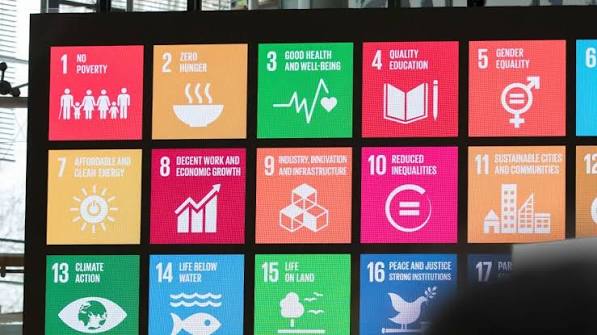
The programme is built around the PMI GPM P5 Standard for Sustainability in Project Management and aligned with the UN Sustainable Development Goals.
The P5 framework expands project success beyond time, cost and scope to include People, Planet, Prosperity, Process and Product.
“The next phase of sustainability leadership will be defined by execution,” the MD said.
He added, “As Africa continues to invest in infrastructure, energy, industrialisation, and digital transformation, the demand for professionals who can balance economic, environmental, and social outcomes will only grow. Building that capability is not simply good for sustainability. It is good for business, competitiveness, and ultimately good for the region’s development.”
About The Author