SRHR Advocates Want Youth-Centred Health Programmes
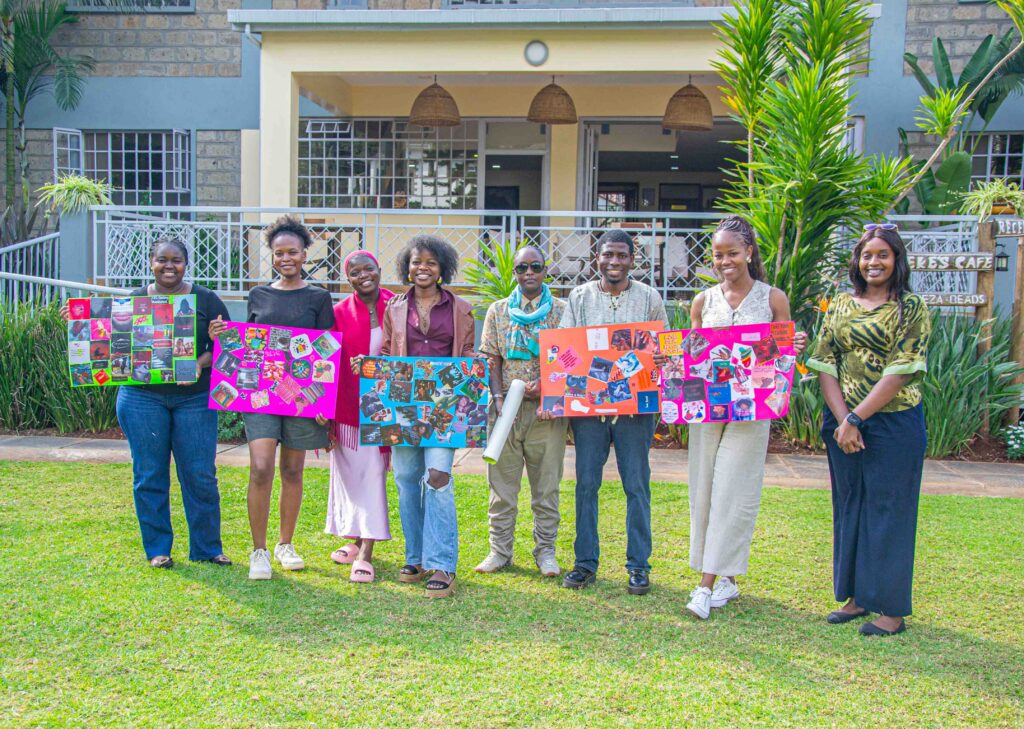
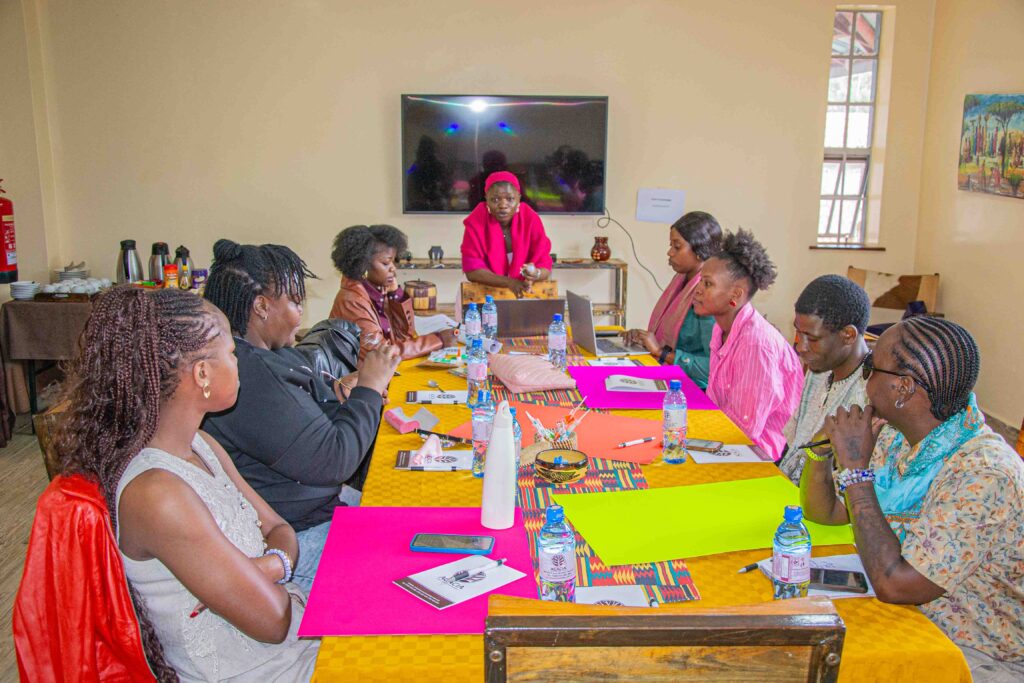
Sexual Health crusaders. (Photo By Mbungu Harrison)
By Mbungu Harrison
Email, thecoastnewspaper@gmail.com
Sexual and reproductive health advocates have challenged traditional public health messaging that largely focuses on risk and disease prevention, therefore calling for youth-centred programmes that promotes dignity, informed choice and positive health outcomes.
The call comes amid growing debate within the sexual and reproductive health and rights (SRHR) sector over whether interventions that focus exclusively on HIV, sexually transmitted infections (STIs) and unintended pregnancies adequately addresses the realities and health needs of young people.
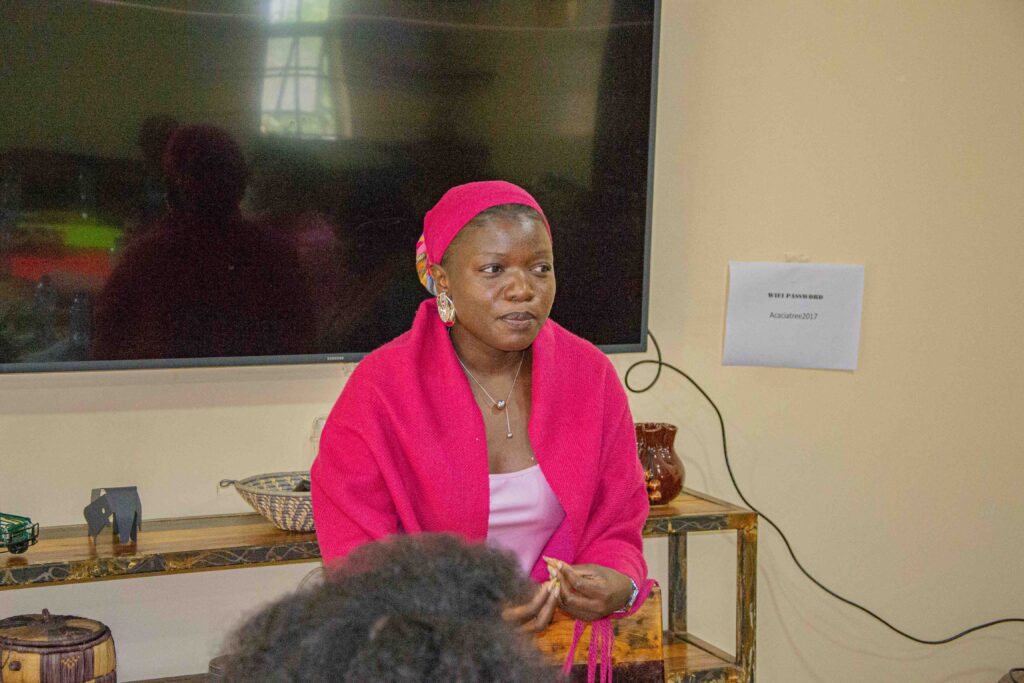
Speaking during a pleasure vision boarding session organised by the Kenya Pleasure Caucus under SRHR alliance, programme and advocacy consultant Nancy Baraza, who also serves as Kenya’s African Pleasure Trailblazer, said public health programmes must evolve from solely responding to disease to promoting overall well-being.
“For decades, SRHR interventions have largely been framed around risk, danger and prevention. While these remain important public health priorities, they do not fully capture young people’s lived experiences or what motivates them to seek information and services,” she said.
She argued that youth-centred programming should recognise that SRHR extends beyond preventing disease to include bodily autonomy, informed decision-making, healthy relationships and dignity.
“Our goal is not to replace prevention messages but to strengthen them by making them more relevant, relatable and responsive to the realities of young people. Evidence increasingly shows that when people are engaged through positive and affirming messaging, they are more likely to make informed and safer health choices,” she said.
The forum brought together young advocates, activists and SRHR practitioners to examine how reproductive health programmes can move beyond fear-based messaging and become more responsive to the needs of adolescents and young adults.
Participants reflected on how existing interventions have traditionally measured success through reductions in HIV infections, STIs and unintended pregnancies.
While acknowledging these indicators remain critical, they argued that programmes should equally consider whether young people feel informed, respected and empowered to make decisions about their health.
During interactive discussions and a vision-boarding exercise, participants explored what a holistic approach to reproductive health could look like.
They identified bodily autonomy, emotional well-being, safety, healthy relationships, self-esteem, rest and creativity as important dimensions of health that are often overlooked in conventional SRHR programming.
According to Ms Baraza integrating these perspectives into policy and programming does not weaken public health interventions but strengthens them by making services more accessible and acceptable to young people.
“Young people are more likely to engage with health services when they see themselves reflected in the messaging. If our communication only focuses on fear, we risk missing opportunities to build trust, encourage dialogue and improve uptake of services such as HIV testing, contraception and other reproductive health services,” she said.
The discussions also examined how innovation in reproductive health products and services could better respond to users’ needs without compromising safety or effectiveness.
Participants noted that designing services with young people’s experiences in mind can improve both access and consistent use.
The SRHR Alliance, a coalition of 17 civil society organisations working to advance the sexual and reproductive health and rights of adolescents, young women and other vulnerable groups, has in recent years expanded conversations around evidence-based, youth-responsive programming through its African Pleasure Hub.
She said the initiative seeks to encourage a broader understanding of sexual and reproductive health by creating spaces where young people can openly discuss issues affecting their well-being and contribute to shaping future interventions.
“We are asking policymakers, development partners and implementing organisations to listen to young people’s voices when designing programmes. Effective public health interventions are those that are grounded in evidence, respect human dignity and respond to the realities of the communities they serve.”
Participants now resolve calls for policies and programmes that balance disease prevention with approaches that promote informed choice, agency and overall well-being, arguing that a more holistic model could improve both health outcomes and youth engagement in SRHR services.
About The Author