Lamu Validates 2026 Drought Contingency Plan to Strengthen Preparedness
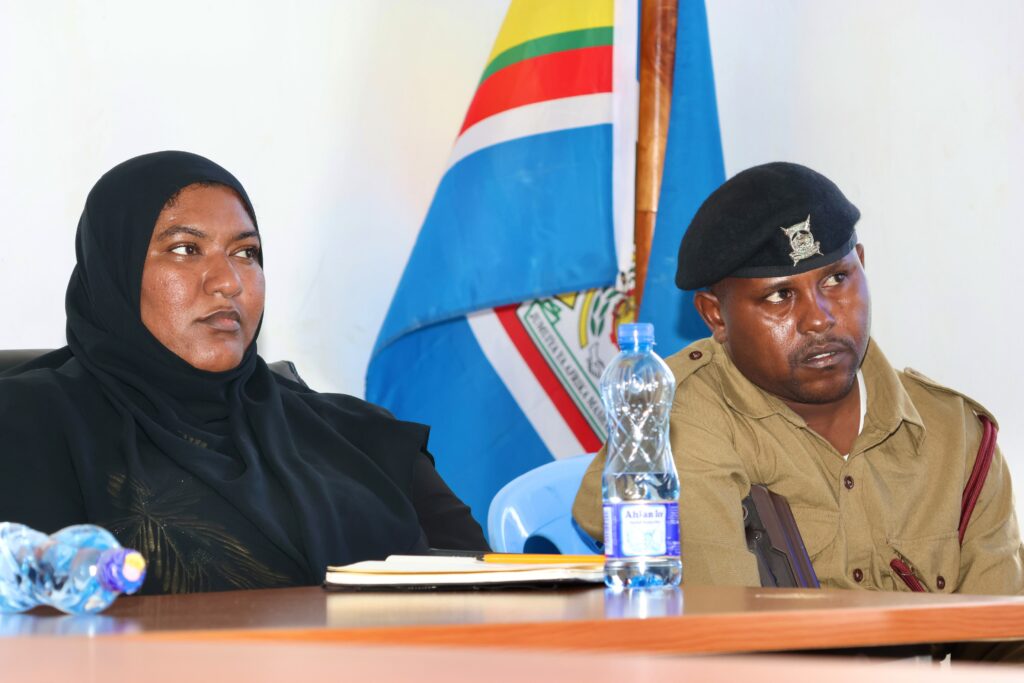
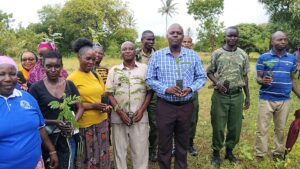
County officials. (Photo ? Courtesy)
By The COAST Reporter
Email, thecoastnewspaper@gmail.com
The County Government of Lamu, in partnership with the National Drought Management Authority (NDMA), today validated the Lamu County Drought Contingency Plan 2026 during a County Steering Group (CSG) meeting that brought together government departments, development partners, humanitarian organizations, and other stakeholders.
The meeting was officiated by the deputy governor Dr Mbarak Bahjaj who underscored the importance of early preparedness, coordinated action, and partnership in mitigating the impacts of drought.
The draft contingency plan was presented by Ms Gertrude from NDMA, who guided participants through the document and provided members with an opportunity to review and validate its contents.

She described the Contingency Plan as a comprehensive multi-sectoral framework that integrates interventions across water, health and nutrition, education, agriculture, livestock, peace and security, social protection, and coordination to ensure a unified drought preparedness and response mechanism.
Speaking during the meeting, Charles Muthoka, representing World Vision Kenya, reaffirmed the organization’s unwavering commitment to supporting the implementation of the plan.
> “World Vision has been, and will continue to be, at the forefront of supporting drought resilience and humanitarian interventions in Lamu. We remain committed to working with the County Government and all partners to ensure the successful implementation of this Contingency Plan.”
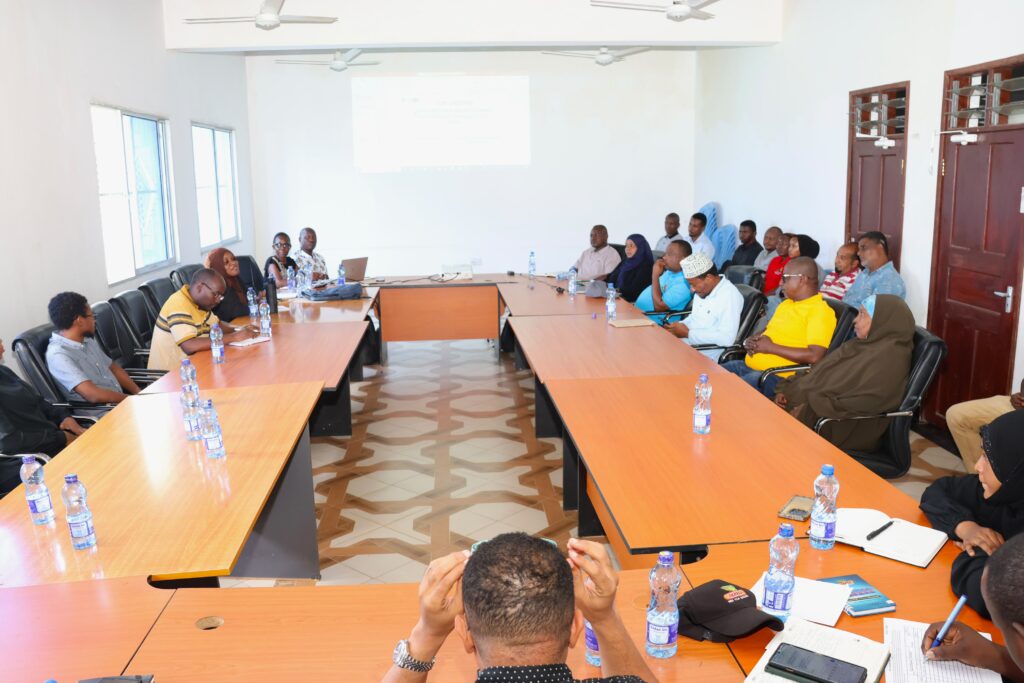
The DG called upon all County departments and development partners to align their programmes with the validated plan, emphasizing that effective implementation will require sustained collaboration, adequate resource mobilization, and timely action.
The Disaster Risk Management and Peace Building director Shee Kupi Shee noted that the validated plan positions Lamu to act early, strengthen resilience, and reduce the humanitarian and socio-economic impacts of drought through coordinated, evidence-based interventions.
About The Author