African Cultural Intelligence and Creative Economies Protection Framework Outlined
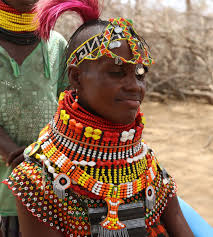
African outfit. (Photo/ Courtesy)
By The COAST Reporter
Email, thecoastnewspaper@gmail.com
Nairobi | Cape Town | June 17, 2026: ÀLKÉ, the pan-African cultural institution founded by Lulu Shabell has outlined its long-term framework for protecting African cultural intelligence, strengthening intellectual property ownership, and building the institutional infrastructure needed to scale the continent’s creative economy.
The announcement comes as the global creative economy continues to expand.
UN Trade and Development (UNCTAD) reports that creative services exports reached $1.4 trillion in 2022 and creative goods exports reached $713 billion while developing countries increased their share of global creative services exports from 10 percent in 2010 to 20 percent in 2022.
Africa’s share of the global creative economy stood at about 1.5 percent in 2022, up from 1 percent in 2018, and the continent exported $2.4 billion in creative goods and $4 billion in creative services that year.
ÀLKÉ says its model is designed to help close that gap by creating mechanisms that support ownership, licensing, enterprise development, and long-term capital formation.
With the right structural investment, Africa’s creative economy could generate between $150 billion and $160 billion annually by 2030, according to BCG projections cited in the original essay.
“Africa has always been a source of cultural innovation, but too often the systems that turn that innovation into lasting economic value are built elsewhere,” says Lulu Shabell, Founder of ÀLKÉ.
“ÀLKÉ exists to help change that by building institutions that protect authorship, support enterprise, and create durable economic benefit from African cultural intelligence.”
More than a brand or event platform, ÀLKÉ is an institution designed to preserve indigenous design knowledge, support African creative enterprises, and create permanent structures that allow value generated by African cultural expression to remain with African communities.
At the center of ÀLKÉ’s vision is the belief that Africa is not entering the global creative economy as a newcomer, but as one of its original authors.
The institution’s work will focus on preserving and commercialising indigenous knowledge systems, supporting African creative ventures with scale-ready infrastructure, and creating financial structures that can compound value across generations.
The legal and policy environment reinforces the need for this approach.
Kenya’s Constitution recognises culture as the foundation of the nation, calls for the promotion of intellectual property rights, and requires legislation to ensure communities receive compensation or royalties for the use of their cultures and cultural heritage.
Regionally, ARIPO’s Swakopmund Protocol protects traditional knowledge and expressions of folklore against misappropriation, misuse, and unlawful exploitation.
ÀLKÉ says these frameworks point to a broader need for African-led institutions that can translate cultural authorship into protected, investable, and scalable economic systems.
The institution will continue to develop its educational framework, venture studio model, craft preservation strategy, and endowment structure through a series of forthcoming announcements.
About The Author