Volunteering a Powerful Career Accelerator for Africa’s Workforce, Says Expert
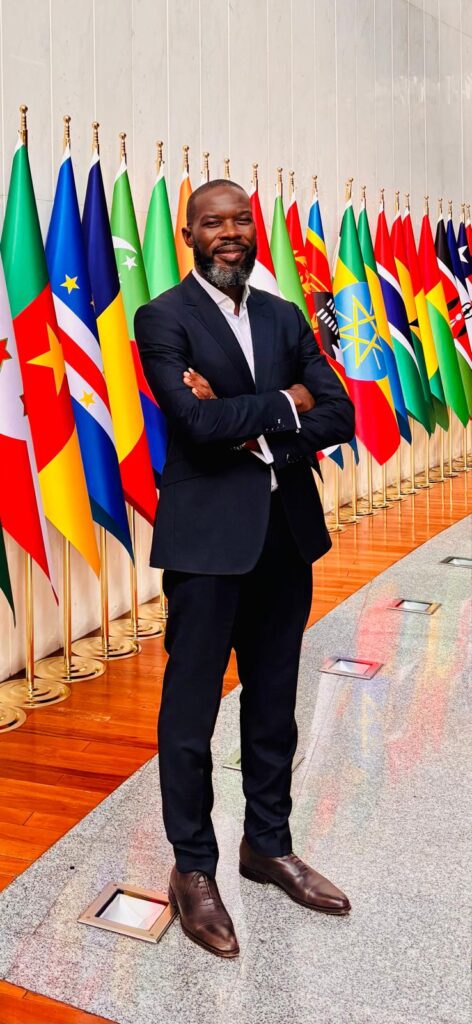
Project management institute (PMI) subsahara Africa managing director George Asamani
By Mbungu Harrison
Email, thecoastnewspaper@gmail.com
Volunteering has been recognized not just as an act of goodwill, but as a strategic tool for career growth and workforce development in Africa.
According to project management institute (PMI) subsahara Africa managing director George Asamani volunteering offers practical solution to the continent’s most pressing economic challenges apart from bridging the gap between education and employability.
“Volunteering is often framed as an act of goodwill rather than a pathway to professional growth. This view misses an important point,” he says noting that in many cases, it is one of the most effective ways to build capability, credibility, and leadership.
Across Africa, between 10 and 12 million young people enter the job market yearly, yet employers continue to report gaps in experience, problem-solving abilities, and leadership readiness.
African Development Bank has highlighted this disconnect pointing out to limited exposure to real world professional environments rather than a shortage of talent.
He argues that volunteering could help close this gap by placing individuals in roles that demand responsibility and performance.
Within PMI alone, nearly 18,000 volunteers contribute to initiatives that shape professional standards and build capacity, often gaining hands-on experience comparable to formal employment.
“Volunteering, when approached with intention, can help close this gap. It puts people in situations where they are given real responsibility.”
Unlike traditional career paths, where leadership opportunities are often tied to seniority and years of experience, volunteer roles frequently allow professionals to step into leadership positions earlier.
Managing projects, working in teams, and engaging stakeholders are common responsibilities, accelerating professional growth in ways that structured corporate environments may not.

Despite its benefits, the lack of financial compensation remains a key concern for many.
However, the MD challenges this perspective suggesting it reflects a limited understanding of value.
“The benefits of volunteering may not be immediate, but they are significant. It builds experience that sets you apart, creates networks that open doors, and shows your ability to lead and deliver.”
In his view, beyond skills development, volunteering also fosters strong professional networks built on shared purpose rather than immediate gain.
In emerging markets where formal professional systems are still evolving, such networks can provide mentorship, support, and access to opportunities that might otherwise remain inaccessible.
As African economies become increasingly integrated into the global system, Asamani highlights the importance of professionals not only adopting international standards but actively contributing to shaping them.
Many of these standards are developed collaboratively through volunteer contributions, offering individuals a platform to engage in broader industry conversations.
However, Asamani cautions that the impact of volunteering depends on the quality of the experience though roles that involve accountability, measurable outcomes, and exposure to diverse perspectives deliver the greatest value.
“Approached in this way, volunteering becomes less about giving time and more about making deliberate investments in one’s development.”
For individuals, he says, volunteering offers a practical pathway to overcome experience barriers, build a professional track record, and expand career prospects.

At a broader level, he states that increased participation in meaningful volunteer work could strengthen Africa’s workforce, equipping it with the skills needed to navigate complexity and drive economic growth.
He concludes the question was not whether volunteering is worthwhile, but whether Africa could afford to overlook one of the most accessible tools for building a competitive and capable workforce.
About The Author