Lobby Calls for End to GBV Against Gender Minorities
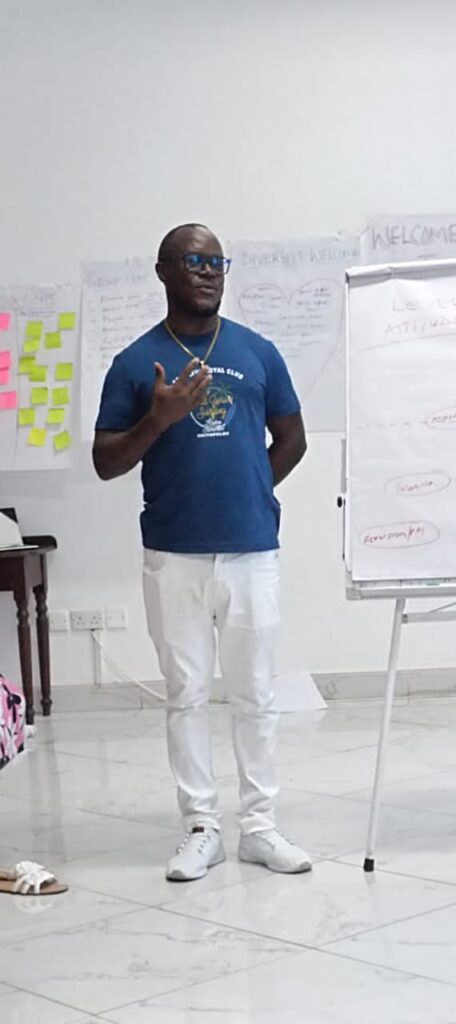
Ishmael Bahati, the executive director of Pema Kenya. IPhoto By Mbungu Harrison)
By Mbungu Harrison
Email, thecoastnewspaper@gmail.com
A human rights lobby group has called on the government to urgently address cases of gender-based violence (GBV) targeting sexual and gender minority communities in Kenya, citing a rise in reported violations in recent months.
Ishmael Bahati, the executive director of Pema Kenya, said incidents of eviction, workplace discrimination and physical brutality against gender minorities continue to undermine their rights and dignity despite existing legal protections.
Speaking on the sidelines of a Looking In, Looking Out (LILO) training in Mombasa, Bahati urged authorities to strengthen enforcement mechanisms to protect vulnerable groups and ensure accountability.
“We have witnessed a worrying increase in cases where people are evicted from their homes, dismissed from their jobs or discriminated against in workplaces simply because of who they are. This must stop,” he said.
The LILO training brought together law enforcement officers, human rights advocates and healthcare practitioners, with a focus on improving understanding and response to issues affecting sexual and gender minorities.
Bahati noted that Pema Kenya was actively engaging police officers across the country to promote humane and rights-based service delivery.
“We are working with police stations and engaging law enforcement officers so that, as they offer services to the public, they respect the dignity and humanity of gender minorities.”
According to the organisation more than 25 cases of human rights violations including brutality, eviction and discrimination have been recorded since June 2025.
“Between June and now, we have documented over 25 violations targeting this group. Most of these incidents are perpetrated by members of the community who do not respect the rights and dignity of gender minorities.”

He called on government agencies to investigate the reported cases and take decisive action to curb the vice, adding that gender minorities contribute to the economy across various professional sectors and deserve equal protection under the law.
The executive said dialogue with security agencies remains a key strategy in fostering understanding and improving protection for affected communities.
“We are holding dialogues within police stations to help officers understand that sexual and gender minorities have rights and should be protected within the framework of the law.”
The government has in recent years stepped up efforts to address gender-based violence through policy, legislation and institutional reforms. Kenya has a National Policy for the Prevention and Response to Gender-Based Violence, which guides coordination among state agencies, county governments and non-state actors.
In addition, specialised GBV units have been established in some police stations, while the Directorate of Criminal Investigations (DCI) has been tasked with handling serious GBV-related offences.
The government has also rolled out training programmes for police officers, prosecutors and healthcare workers to improve survivor-centred responses.
Kenya is also implementing the National Action Plan on Human Rights, which emphasises non-discrimination and protection of vulnerable and marginalised groups in line with the Constitution.
However, rights groups say gaps remain in enforcement, awareness and access to justice, particularly for sexual and gender minorities who often fear stigma or retaliation when reporting abuse.
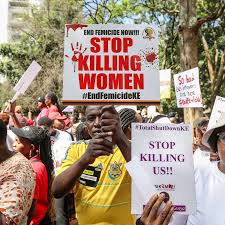
Bahati called on authorities to investigate the reported cases and take decisive action to curb the vice, adding that gender minorities contribute to the economy across various professional sectors and deserve equal protection under the law.
“We are holding dialogues within police stations to help officers understand that sexual and gender minorities have rights and should be protected within the framework of the law.”
He said continued dialogue with security agencies remains key to fostering understanding and improving protection for affected communities.
About The Author