POTTA-K and KHPOA push for Standardized Perioperative Training and Professional Recognition
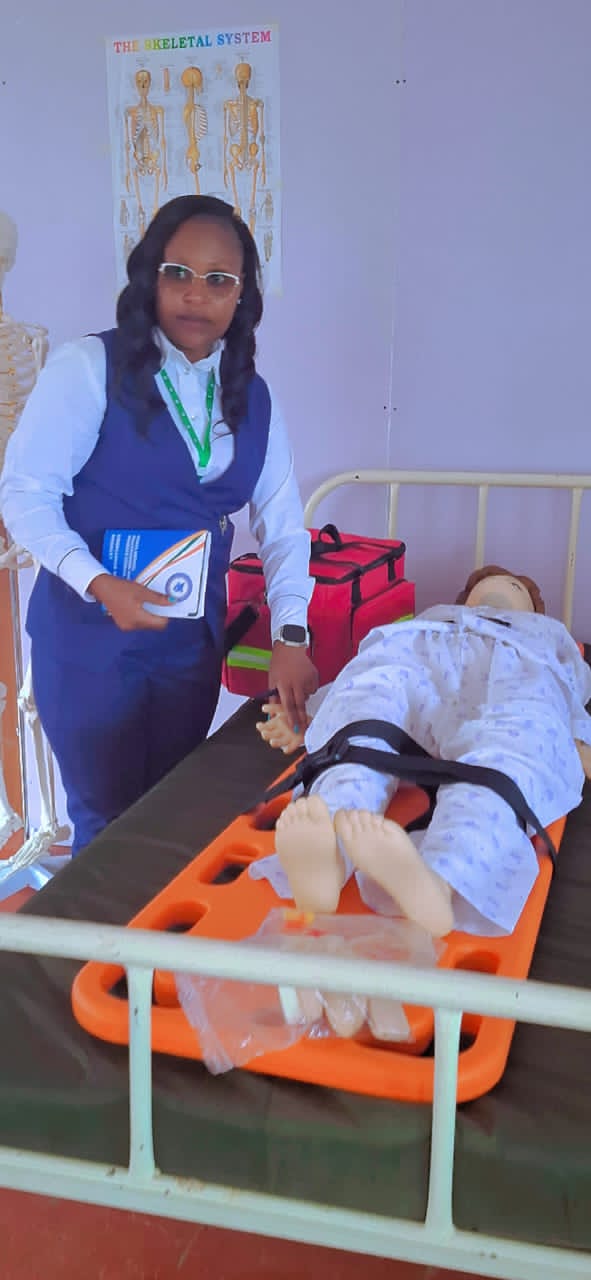
Grace Nishiha Karanja the POTTA- Kenya national organizing secretary illustrates a point literally. (Photo By Mbungu Harrison)
By Mbungu Harrison
Email, thecoastnewspaper@gmail.com
The Perioperative Theatre Technologists Association of Kenya (POTTA-K) has joined with the Kenya Health Professionals Oversight Authority (KHPOA) in a nationwide efforts to raise the quality of perioperative training and advocate for long-overdue professional recognition of perioperative technicians.
In a joint inspection tour, POTTA-K national organising secretary Grace Nishila Karanja and KHPOA chief executive officer Dr Jackson Kioko assessed health-training institutions offering perioperative and related courses and called for compliance.
The initiative is designed to enforce compliance with national training standards, ensure that skills laboratories are properly equipped, and strengthen quality assurance across all training programs.
Grace urged colleges to strictly adhere to KHPOA requirements, cautioning institutions against using unqualified personnel to train perioperative students.
“Institutions must fully equip their skills labs and employ only trained perioperative professionals as instructors,” she said noting that quality training directly affects the safety of surgical patients.

Dr Kioko underscored the importance of a mandatory 12-month clinical attachment, calling it essential for students’ early exposure to theatre environments and competence development.
He reaffirmed KHPOA’s commitment to ensuring that all training institutions meet the minimum standards before admitting students.
Beyond training, POTTA–K is intensifying its national campaign for the formal recognition of perioperative technicians, arguing that they play an indispensable role in safe surgery and overall hospital efficiency.
Grace appealed to the Government of Kenya and key stakeholders to champion better pay, improved working conditions, and clear career pathways for the cadre.
“For months, we have tirelessly championed the recognition of this critical profession,” she said.
The association maintains that official recognition will help standardize surgical practices, reduce hospital-acquired infections, and support the country’s Universal Health Coverage agenda by addressing both staff shortages and youth unemployment.

“Formalisation will validate an existing workforce, enhance patient safety, and open hundreds of job opportunities for young Kenyans,” she added.
As inspections continue, POTTA-K and KHPOA say they remain committed to strengthening training standards and elevating the perioperative profession to ensure safe, efficient, and high-quality surgical care for all Kenyans.
About The Author