Kenya’s Maritime Wake-Up Call: The Cost of Losing Our IMO Council Seat
By Andrew Mwangura
Email, thecoastnewspaper@gmail.com
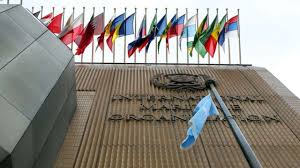
The results from the International Maritime Organization elections on November 28 should serve as a sobering moment for Kenya’s maritime sector and foreign policy establishment.
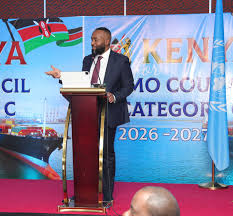
After years of maintaining a presence on the IMO Council, Kenya has been unceremoniously voted out, replaced by Nigeria and South Africa in the fiercely competitive Category C elections.
This is not merely a diplomatic embarrassment—it represents a critical failure in strategic positioning that will have tangible consequences for Kenya’s maritime economy, regional influence, and ability to shape the rules governing global shipping.
Understanding why Kenya lost requires acknowledging some uncomfortable truths about how international organizations actually function. Category C seats are ostensibly allocated based on “special maritime interests” or geographic balance, but the reality is far more complex.
These elections are won through sustained diplomatic engagement, demonstrated leadership on key issues, and the cultivation of voting coalitions across regions.
The secret ballot format means countries vote based on relationships, perceived value, and promises made in the corridors and side meetings that precede the formal election. Kenya’s defeat suggests we were outmaneuvered on all these fronts.
Nigeria and South Africa came prepared. Nigeria leveraged its position as Africa’s largest economy, its substantial maritime trade driven by oil exports, and likely made compelling commitments on issues that matter to other IMO members—particularly decarbonization, which sits at the top of the organization’s agenda.
South Africa brought its strategic control of shipping lanes around the Cape of Good Hope and has positioned itself as a thought leader on maritime security and environmental sustainability.
Both countries almost certainly invested significant diplomatic capital in securing votes, sending high-level delegations to engage with counterparts months before the election.
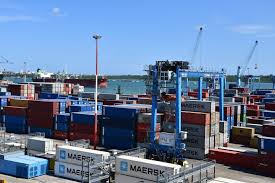
Meanwhile, Kenya may have relied too heavily on the assumption that the Port of Mombasa’s regional importance and our previous council membership would be sufficient. They were not.
The timing of this loss amplifies its severity.
The IMO is currently wrestling with its net-zero framework after failing to adopt comprehensive decarbonization measures just weeks before the election.
Secretary-General Arsenio Dominguez has emphasized the need to navigate “geopolitical tensions, evolving trade patterns, and an accelerating global transition towards decarbonization and digitalization.”
These are foundational issues that will reshape maritime economics for decades. Decarbonization standards will determine compliance costs for ports, influence shipping route economics, and create winners and losers in the competition for cargo.
Without a council seat, Kenya loses its opportunity to influence these standards before they become binding obligations.
The practical implications of this absence are substantial. Council membership provides early insight into regulatory changes, allowing countries to prepare their ports, shipping companies, and maritime workforce ahead of new requirements.
It offers direct access to technical assistance programs and capacity-building initiatives that can modernize maritime infrastructure. It creates networking opportunities with the world’s maritime powers—the shipping giants in Category A and major trading nations in Category B—relationships that facilitate investment, technology transfer, and partnership opportunities.
Kenya’s exclusion from these spaces means we will be implementing rules we had no hand in crafting, adapting to standards designed without our input, and competing for opportunities we learned about too late.
What must Kenya do to reverse this setback? The solution begins with treating maritime diplomacy as seriously as we treat other aspects of our foreign policy. This means establishing a dedicated maritime diplomatic strategy with full-time personnel focused on IMO engagement, not just deploying officials during election years. We need representation that attends every major IMO meeting, participates actively in technical committees, and builds year-round relationships with member states.
Kenya should study how smaller nations like Malta, Singapore, and Cyprus maintain their positions through consistent expertise and contributions rather than episodic engagement.
Equally important is aligning our domestic maritime sector with global priorities. If decarbonization dominates the agenda, Kenya should lead by example—implementing green port initiatives at Mombasa, investing in shore power for vessels, and developing alternative fuel infrastructure.
We should publish research, share best practices, and position ourselves as pioneers rather than followers. This demonstrates to the international community that Kenya is not seeking a council seat for prestige but because we have genuine contributions to make.
Finally, Kenya needs to rebuild its Pan-African maritime strategy. The fact that Nigeria and South Africa advanced while Kenya retreated reveals fragmentation in African maritime unity. Rather than viewing this as zero-sum competition, Kenya should work with other African nations to present coordinated positions at the IMO, strengthening the continent’s collective influence.
A unified African maritime bloc would benefit all our nations more than individual competitions for seats.
The loss of our IMO council seat is painful, but Category C elections occur every two years, offering a relatively swift opportunity for redemption. However, reclaiming our position will require sustained effort, strategic investment, and a fundamental recognition that influence in international organizations must be earned through demonstrated value and consistent engagement. Kenya’s maritime future—and our broader economic competitiveness—depends on learning these lessons quickly and acting decisively.
Secretary General Emeritus, Seafarers Union of Kenya
About The Author