Ports, Parliament and the Promise of Shared Growth
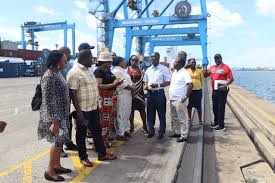
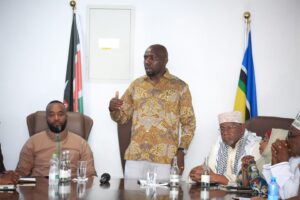
Coast Parliamentary Group at Port of Mombasa. (Photo/ Courtesy)
By Andrew Mwangura
Email, thecoastnewspaper@gmail.com
The engagement between Kenya Ports Authority managing director Captain William Ruto and members of the Coast Parliamentary Group led by Wundanyi MP Danson Mwashako, may not have carried the drama of a policy announcement or the spectacle of a major launch, but it spoke to something far more important for the Coast region and the country at large.
The quiet, deliberate alignment of national infrastructure performance with regional development priorities. In a country where ports are not merely gateways for cargo but engines of economic life, such dialogue deserves close attention.
Capt Ruto’s presentation to the Coast MPs painted a picture of a port system on a steady upward path. Cargo throughput, he noted, has grown consistently in recent years, a trend driven by improved operational efficiency and better service delivery.
This is not a trivial achievement. For decades, the Port of Mombasa in particular has been both a national asset and a national headache, celebrated for its strategic position while criticized for congestion, delays and inefficiencies that raised the cost of doing business.
To hear the KPA leadership speak confidently about performance gains is to acknowledge that reform when pursued with focus, can yield results. Yet the significance of this engagement goes beyond performance statistics.
By choosing to sit down with legislators from the Coast region, KPA signaled an understanding that port success cannot be measured only in tonnes of cargo or ship turnaround times.
Ports sit within communities. They shape local economies, influence land use, affect the environment and determine employment patterns.
When regional leaders are brought into discussions about port performance, the conversation naturally expands to include how national infrastructure can better serve local needs without compromising its wider mandate.
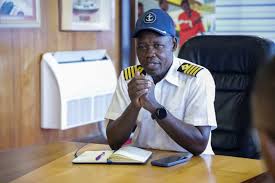
The Coast Parliamentary Group(CPG)’s involvement is therefore critical. MPs are uniquely placed to articulate the concerns, expectations and aspirations of the communities that live alongside port operations.
They understand the tensions that can arise when large infrastructure projects coexist with fishing communities, urban settlements and tourism hubs. Their engagement with KPA offers a channel through which local voices can inform decision-making, and through which national agencies can explain constraints, plans and trade-offs in clear terms.
Capt Ruto’s emphasis on collaboration reflects a mature view of public sector leadership. Ports do not operate in isolation. Their efficiency depends on roads, railways, customs processes, security agencies and regional cooperation. Likewise, the benefits of port growth are maximized when counties and constituencies are aligned with national logistics strategies.
By framing the discussion around shared development priorities, the KPA managing director acknowledged that sustained progress requires political goodwill, policy consistency and mutual trust.
The positive cargo trajectory highlighted at the meeting also has wider implications for the Coast region. Increased throughput translates into more activity across the logistics chain, from transport and warehousing to clearing and forwarding services.
If managed well, this growth can support job creation and stimulate auxiliary industries. However, growth alone is not enough. The real test lies in whether efficiency gains at the port are matched by deliberate efforts to ensure that surrounding communities feel the impact in tangible ways.
This is where parliamentary oversight and engagement become essential. MPs can press for investments that link port growth to regional development, such as skills training for local youth, improved urban infrastructure and environmental safeguards. They can also hold KPA accountable for balancing commercial objectives with social responsibility.
The Wednesday meeting, in this sense, was not an endpoint but a starting point for a more structured and continuous conversation.
There is also a national dimension to this engagement. As Kenya positions itself as a regional logistics hub serving East and Central Africa, the performance of its ports carries geopolitical and economic weight.
Efficient ports strengthen trade corridors, enhance competitiveness and reinforce Kenya’s standing in regional integration efforts.
When regional leaders understand and support this broader vision, it reduces friction and builds consensus around long-term investments that may not yield immediate political dividends but are essential for sustained growth.
At the same time, KPA’s openness to engage Parliament sends a reassuring signal about institutional transparency. Public agencies that are willing to explain their performance, challenges and plans to elected representatives demonstrate confidence in their mandate and respect for democratic accountability. In an era where public trust in institutions is often fragile, such gestures matter.
Ultimately, the meeting between Capt Ruto and the CPG underscores a simple, but powerful truth. Infrastructure works best when it is anchored in dialogue. Ports are physical structures of steel and concrete, but their success depends on relationships, policies and shared purpose.
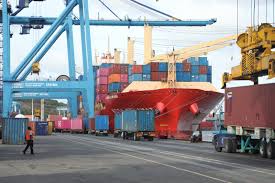
By reviewing port performance alongside regional development priorities, KPA and Coast MPs took a step toward aligning national ambition with local reality. The challenge now is to sustain this engagement beyond courtesy calls and briefings.
Regular, structured dialogue, backed by data and followed by action, can ensure that the positive trajectory in cargo throughput is matched by a positive trajectory in community outcomes. If that balance is achieved, the port will not only move cargo more efficiently, but also carry the hopes of a region toward inclusive and lasting development.
Mr. Mwangura an, independent maritime consultant, is former SUK Secretary.
About The Author