Charting New Course: Promise of Maritime Cooperation Between Kenya and Somalia
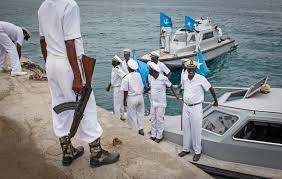
Kenya and Somali Navy on Patrol along the sea. (Photo/ Courtesy)
By Andrew Mwangura
The recent courtesy visit by officials from Somalia’s Kaalmays Marine Institute to Bandari Maritime Academy in Mombasa represents more than a diplomatic formality.
It signals a potentially transformative shift in how East African nations approach maritime education and the broader development of their oceanic resources.
At a time when the blue economy has become a central pillar of development strategy across the region, this nascent partnership between BMA and KAALMI deserves serious attention and support from policymakers, industry stakeholders, and regional institutions.
The significance of this initiative extends far beyond the technical details of curriculum development or instructor training.
What we are witnessing is an acknowledgment of a fundamental truth that has too often been overlooked in regional development discourse: maritime capacity cannot be built in isolation.
The Indian Ocean coastline that stretches from Somalia through Kenya and beyond represents a shared resource and a common challenge.
The seafarers, fishermen, and maritime professionals who work these waters do not recognize national boundaries in the same rigid ways that land-based industries might.
Their safety, their livelihoods, and their contributions to national economies depend on standards, training, and cooperation that transcend political divisions.
Somalia’s investment in maritime training comes at a critical juncture. The country possesses the longest coastline in mainland Africa, stretching over three thousand kilometers, yet decades of instability have left its maritime sector severely underdeveloped.
The fishing industry operates far below its potential, and the lack of properly trained seafarers has meant that Somalia has been largely unable to capitalize on legitimate maritime commerce even as its waters have been exploited by both illegal fishing operations and, historically, by the scourge of piracy that emerged partly from this vacuum of legitimate maritime activity.
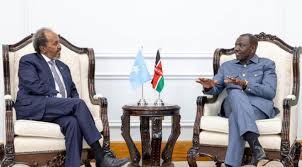
Director Abdi Raghe’s acknowledgment of these untapped opportunities is encouraging, as it suggests a national commitment to transforming Somalia’s relationship with its greatest natural asset.
For Kenya, and specifically for BMA, this partnership represents an opportunity to cement its position as a regional leader in maritime education.
The BMA has built a solid reputation over the years as an institution that produces competent maritime professionals who serve not only in Kenyan waters but across the global shipping industry.
Dr Eric Katana’s commitment to supporting KAALMI’s development is consistent with a vision of regional leadership that goes beyond competition to embrace genuine capacity building.
This approach recognizes that a rising tide in maritime standards and safety benefits all coastal nations, creating networks of properly trained professionals who can respond to emergencies, combat illegal activities, and support the sustainable exploitation of marine resources.
The emphasis on capacity building for both seafarers and fishermen is particularly noteworthy. Too often, maritime education focuses exclusively on the formal shipping industry while neglecting the artisanal fishing communities that form the backbone of coastal economies throughout East Africa.
These fishermen face significant dangers daily, often operating with inadequate training in navigation, safety procedures, and weather prediction.
A comprehensive approach to maritime education that includes these communities can save lives, improve livelihoods, and contribute to more sustainable fishing practices that protect marine ecosystems for future generations.
The proposal to develop a memorandum of understanding (MoU) provides the essential framework that will determine whether this partnership flourishes or withers. The MoU must be more than a symbolic document.
It should establish clear mechanisms for the exchange of instructors, the sharing of curriculum materials, the joint development of training programs suited to regional conditions, and perhaps most importantly, the mutual recognition of certifications that would allow Somali-trained seafarers to work across the region and beyond. Such recognition would not only benefit individual professionals but would also encourage investment in quality training by ensuring that certification carries real value in the international maritime labor market.
Critics might question the timing of this partnership or express concerns about the challenges of working with institutions in a country still grappling with security and governance issues. These concerns, while not entirely unfounded, miss the larger point. Maritime cooperation is not a luxury to be pursued only when conditions are perfect. It is precisely during periods of development and reconstruction that such partnerships become most valuable. By engaging now, BMA and KAALMI have the opportunity to establish patterns of cooperation that can deepen over time, creating institutional relationships that prove resilient even when political circumstances shift.
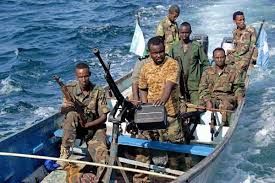
The presence of experienced professionals like Major (Retired) Frankline Toniok and Captain Ali Abdille at these discussions underscores the practical, professional foundation upon which this partnership is being built. This is not merely an administrative exercise but a meeting of maritime minds committed to elevating standards across the region. As this partnership develops, it deserves the full support of both governments, regional bodies like the East African Community, and international maritime organizations that have a stake in improving safety and professionalism in these strategically important waters.
Mr. Mwangura, an independent maritime consultant is former SUK Secretary General
About The Author